
Paediatric Care & Procedures
Overview of Paediatrics
▲Paediatrics is the medical specialty dedicated to the health and development of infants, children, and adolescents. Paediatricians provide crucial preventive care, track developmental milestones, diagnose childhood illnesses, and coordinate clinical care with subspecialists when more complex medical conditions arise.
Well-Child Visits and Growth Monitoring
▼Well-child visits are routine clinical check-ups that track a child's physical growth, developmental milestones, and overall biological health from infancy through adolescence. These recurring consultations are essential for the early identification of emerging developmental or medical concerns.
Immunisations
▼Immunisations are scheduled vaccinations administered throughout a child's early life to provide robust protection against serious, life-threatening infectious diseases. These are delivered in strict accordance with structured national immunisation schedules, while healthcare professionals monitor closely for any adverse post-vaccine reactions.
Management of Paediatric Asthma
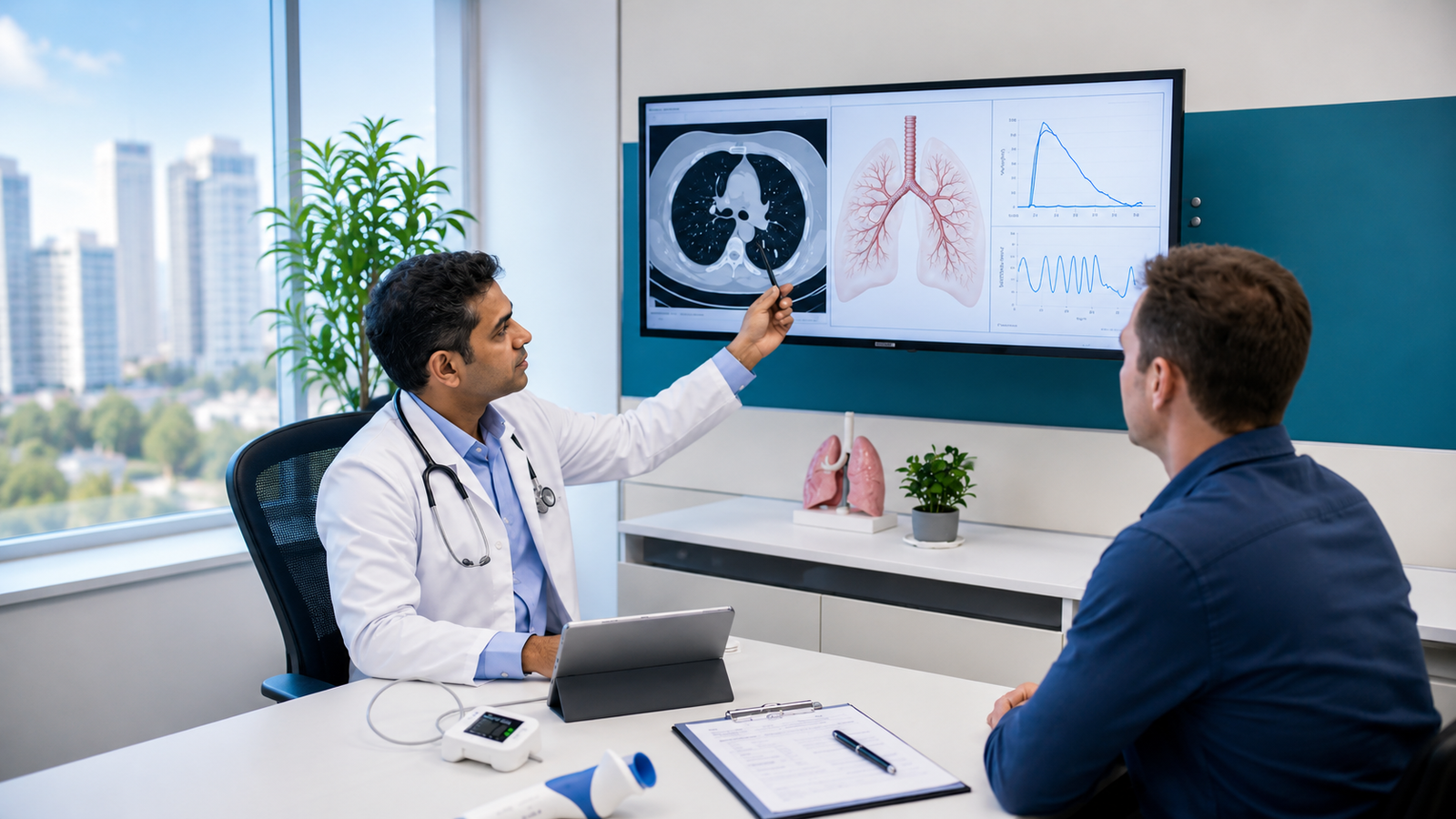
▼The management of paediatric asthma is a continuous, long-term care process involving precise clinical diagnosis, targeted medication management, and family-focused education. Treatment and preventative care plans are custom-tailored to the specific severity of the condition and the child's individual environmental triggers.
Tonsillectomy and Adenoidectomy
▼Tonsillectomy and adenoidectomy represent one of the most common surgical interventions performed in paediatrics. This procedure involves the surgical removal of the tonsils, adenoids, or both, and is typically indicated to treat recurrent throat infections or chronic airway obstructions that cause sleep-disordered breathing.
Neonatal Intensive Care
▼Neonatal Intensive Care is highly specialised, round-the-clock medical care designed for newborns who are born prematurely or encounter severe medical complications at birth. Delivered within a dedicated Neonatal Intensive Care Unit (NICU), this care framework encompasses advanced respiratory support, physiological temperature regulation, and continuous monitoring for conditions unique to early life.
Paediatric Endoscopy
▼Paediatric endoscopy utilizes flexible medical scopes to carefully examine the internal structures of a child's digestive tract. It is frequently indicated to investigate cases of persistent abdominal pain or suspected inflammatory bowel disease, and is safely performed under targeted sedation or general anaesthesia to ensure the child's comfort.
Pyloric Stenosis Repair (Pyloromyotomy)
▼Pyloromyotomy is a rare, specialised surgical procedure performed on infants diagnosed with pyloric stenosis. This condition occurs when the muscle at the stomach's outlet thickens abnormally, blocking food from entering the small intestine. The curative surgery involves making a precise incision to cut the thickened muscle wall, effectively relieving the structural obstruction.